





Uttarakhand’s Hidden Treasures: How Remote Places Like Adi Kailash, Champawat & Pithoragarh Forests Keep India’s Culture and Environment Alive
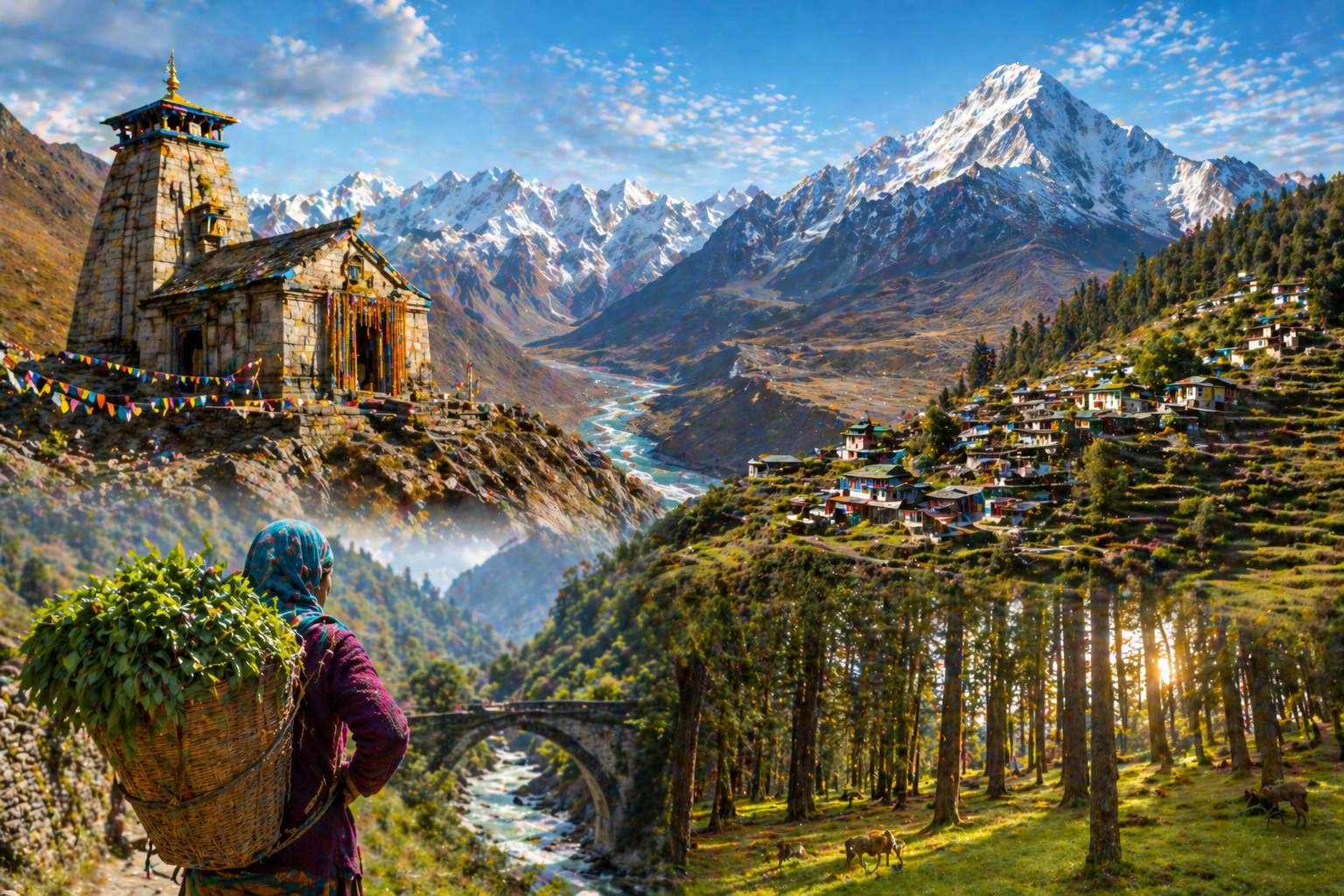
Hey friend, have you ever felt that the real magic of India lies not in crowded cities but in quiet, faraway corners where mountains touch the sky and old traditions still breathe? Uttarakhand is one such place. Often called Devbhoomi – the land of gods – this Himalayan state holds a perfect blend of deep-rooted culture and breathtaking natural wealth. While many visit the popular spots like Nainital or Haridwar, the real soul of Uttarakhand lives in its remote valleys and forests. Places like Adi Kailash, Champawat, and the dense valleys of Pithoragarh are quietly doing something beautiful: protecting both our ancient heritage and the environment that sustains us all.
Let’s talk about this in a simple, real way. In today’s fast world, where concrete is replacing green, these remote areas remind us what balance looks like.
The Spiritual Heart: Adi Kailash and Its Sacred Landscape
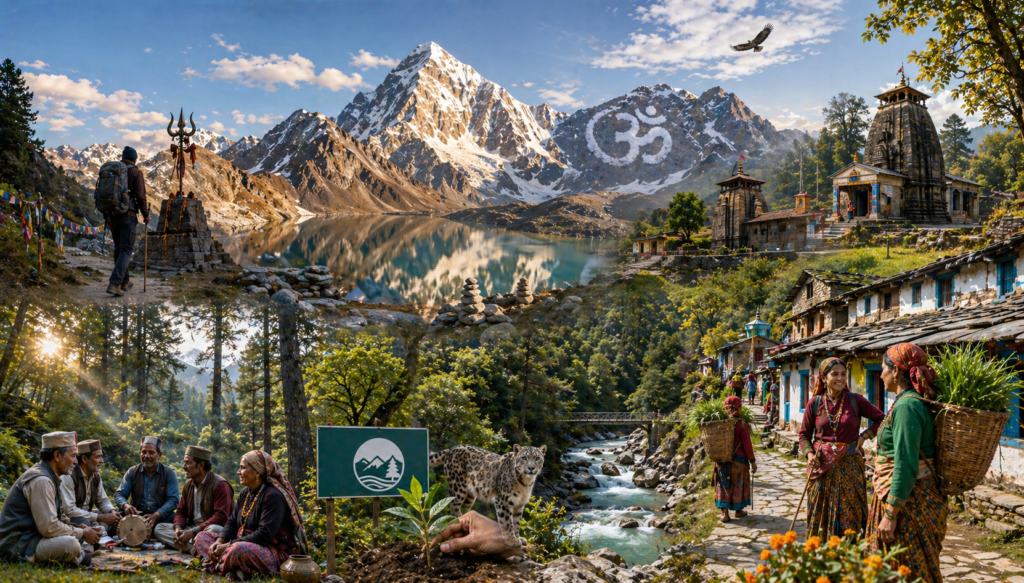
Adi Kailash, also known as Chhota Kailash or Baba Kailash, sits in the remote Pithoragarh district near the Indo-Tibetan border. Many call it the younger brother of the famous Mount Kailash in Tibet. At around 5,945 meters, it is believed to be the earthly home of Lord Shiva and Parvati. Pilgrims and trekkers undertake this challenging yatra, passing through high-altitude lakes like Parvati Sarovar and Gauri Kund, where the mountain reflects beautifully in the water.
The journey itself is special. You walk through untouched alpine meadows, glacial streams, and villages where Bhotiya tribes still follow age-old customs. Om Parvat nearby shows a natural snow formation of the sacred “ॐ” symbol – a sight that gives goosebumps even to non-believers. But beyond faith, this region plays a big role in conservation. The Kailash Sacred Landscape Initiative works across India, Nepal, and China to protect this shared ecosystem. The cultural belief that the land is holy has helped keep forests, wildlife, and water sources safe for centuries.
Champawat: Where History and Nature Meet
Champawat, once the capital of the Chand dynasty, carries stories from the Mahabharata era. Temples like Baleshwar Mahadev, Kranteshwar, and others tell tales of kings, rishis, and divine incarnations. The town is named after Princess Champawati, and its ancient forts, caves, and naulas (traditional water springs) show how deeply culture is connected to the land here.
Environmentally, Champawat and surrounding areas are rich in biodiversity. Dense oak and rhododendron forests provide home to many birds and animals. The region’s forests help control soil erosion in the fragile Himalayas and feed important rivers. Local communities still practice traditional ways of living that respect nature – collecting only what is needed and protecting sacred groves.
Pithoragarh Valley Forests: The Green Lungs Supporting India
Pithoragarh is often called the “land of mountains and valleys.” Its forests are incredibly diverse – from pine and oak at lower heights to rhododendron and alpine meadows higher up. These areas are home to rare plants, orchids, medicinal herbs, and wildlife. Sacred forests (dev vans) here are protected not just by law but by strong cultural and religious beliefs. People avoid cutting trees or hunting in these groves because they belong to the local deity.
This traditional conservation is powerful. Studies show that sacred sites in Uttarakhand often have higher biodiversity than nearby non-sacred areas. The forests of Pithoragarh help maintain water flow in rivers that feed millions downstream. They store carbon, fight climate change, and support pollinators that help farmers in the plains. In short, these remote valleys are doing silent but critical work for the entire country’s environment.
The Beautiful Connection Between Culture and Conservation
What makes Uttarakhand special is that culture and environment are not separate here – they are deeply linked. Traditional practices like Van Panchayats (community forest management) started in this region long ago. People worship trees, rivers, and mountains. This respect has saved many forests from over-exploitation. Even today, when modern pressures come, these beliefs act as a natural shield.
Local communities – whether Kumaoni or Bhotiya – have lived in harmony with nature for generations. They know which herbs to pick and when, how to graze animals without harming the ecosystem, and how to respect the land so it keeps giving. This knowledge, passed down by elders, is pure gold in times of climate crisis.
Why These Remote Places Matter More Than Ever
In 2026, as cities grow and weather patterns change, places like Adi Kailash and Pithoragarh’s valleys act as important ecological buffers. They maintain biodiversity that the whole nation depends on. They also offer something priceless to our stressed minds – peace, fresh air, and a chance to reconnect with roots.
Tourism is growing in these areas, but it needs to be responsible. When we visit, we must remember: take only memories, leave only footprints. Supporting local homestays and guides helps communities preserve their way of life.
Simple Lessons We Can Carry Home
- Respect nature like our ancestors did – small actions like not littering or wasting water matter.
- Learn about local traditions when you travel; they often hold keys to sustainability.
- Support community conservation efforts.
- Teach children the value of sacred groves and clean rivers.
Uttarakhand’s remote corners show us that real progress isn’t about leaving traditions behind. It’s about carrying their wisdom forward while adapting to new times.
These silent landscapes and the people who guard them are true “Tigers of Performance” – working quietly for decades to keep our culture rich and environment healthy. Their dedication deserves celebration because they are building a better future for all of us.
Have you visited any remote part of Uttarakhand? What touched your heart the most – the mountains, the people, or the peace? Share your experiences in the comments. Your story might inspire someone to plan a meaningful trip.
And if you are a veteran – a local guide, environmentalist, cultural expert, or someone who has spent 15+ years working to protect Uttarakhand’s heritage and ecology – your journey is truly inspiring. At Veteran Star 4 U, we honour such silent contributors who keep Devbhoomi alive and thriving.
Reach out if your story deserves the centerstage. Because in a noisy world, your proven experience is the light the next generation needs.
Let’s keep supporting places that nourish both our souls and our planet. Stay connected to nature, respect our roots, and travel responsibly.